Practical Tips to Adapt to the Dynamic Ad Platform Algorithms

A) What Are Social Media Algorithms, and How Do They Work?
At their core, social media algorithms are sets of rules and data signals that decide which content shows up on a user's feed. They consider your past behaviour, content type, and engagement levels to prioritize what you're most likely to interact with. Since these algorithms constantly change, staying flexible and informed is key to keeping your content visible.
B) A Quick Look at Algorithms on Major Platforms
Instagram: It's all about relationships and engagement. The more users interact with your content, the more visibility it gets, especially if you post consistently and at the correct times.
Facebook: Prioritizes content from people and pages you engage with most. Think of meaningful, authentic, and informative posts.
YouTube: Tracks metrics like watch time, likes, and click-through rates. Recommendations are tailored to users' search and watch history.
LinkedIn: Best for B2B content. High-quality posts that get quick engagement often get pushed to broader audiences. It also pays attention to hashtags, groups, and follows pages.

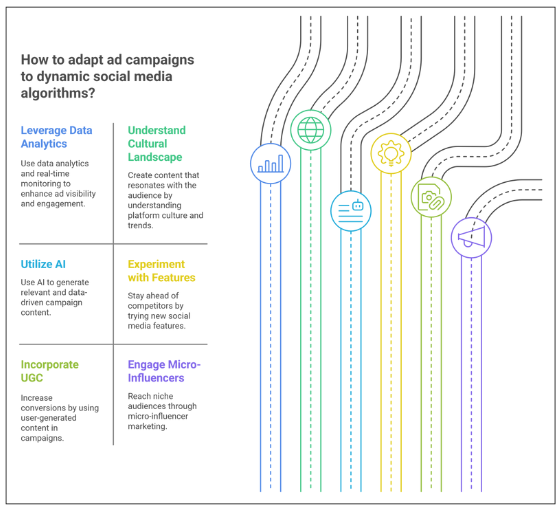
With algorithms shifting, you must rethink how you engage your audience. Here's what helps:
- Use analytics and real-time data to tweak your posts and improve visibility.
- Understand each platform's "culture" and stay on top of trending formats and topics.
- Use AI tools to generate relevant, personalized content—text, images, or videos.
- Test out new features early; being an early adopter can give you an edge.
- Encourage user-generated content (UGC); it boosts trust and conversions.
- Collaborate with micro-influencers for niche, highly engaged audiences.
D) Changes in Google Ads—and How to Adapt
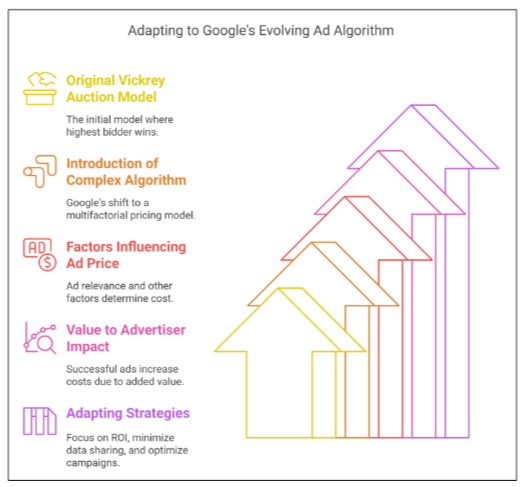
Google Ads has evolved beyond its old auction model. Ad placement isn't just about your bid—it factors in ad relevance, landing page quality, and click-through rate. As your ad performs better, Google may raise the cost-per-click (CPC), which can affect scaling.
To work around this:
- Focus on ROI, not just conversions.
- Limit unnecessary data sharing with Google.
- Invest in high-quality creatives and strong offers.
- Try ad scheduling and targeting variations.
- Continuously test and optimize campaigns.
E) Tips for Optimizing Google Shopping Campaigns
If you're running product ads, here's how to make the most of Google Shopping:
- Set up a Google Merchant Center account and ensure all your product info is accurate.
- Use keyword-optimized titles and write clear, compelling descriptions.
- Include high-quality product images—they heavily influence clicks.
- Adjust bidding strategies to maximize visibility.
- Regularly review and fine-tune your campaigns.

Staying on top of algorithms and ad trends doesn't have to be stressful. Whether building your in-house team or working with a performance marketing agency, the right strategy and tools can help you reach your goals more effectively. Have questions or need expert guidance? Our team is always ready to help.

Comments
Post a Comment